Computational haemodynamics
Aortic flow modelling, wall shear stress, helicity, flow efficiency, morphology-sensitive interpretation, and verification-driven CFD studies.
PhD Researcher / Cardiovascular CFD / AI-assisted Engineering
I am Parham Vatankhah, a University of Sydney PhD researcher working across thoracic aortic flow, computational haemodynamics, Ansys Fluent simulation workflows, Python automation, and AI/ML methods for reproducible healthcare-focused engineering research.
About
My background combines mechanical engineering, cardiovascular CFD, haemodynamic analysis, biomedical research, and scientific programming. I work on patient-specific and idealised flow studies, workflow automation, and methods that turn technically demanding simulations into structured evidence and clearer decisions.
I am especially interested in the intersection of CFD, AI, and healthcare, where rigorous modelling and practical tooling need to work together rather than sit in separate silos.
Research focus
The work is grounded in CFD and haemodynamics, but the larger direction is reproducible technical infrastructure for healthcare-focused engineering analysis.
Aortic flow modelling, wall shear stress, helicity, flow efficiency, morphology-sensitive interpretation, and verification-driven CFD studies.
Python tools and structured pipelines for simulation setup, post-processing, figure generation, and research-to-report reproducibility.
AI-assisted tooling and machine-learning methods that reduce friction, improve technical accessibility, and support scalable engineering analysis.
Featured projects
Each project is framed by its current status and the technical capability it demonstrates.
Patient-specific and idealised CFD studies of thoracic aortic flow, focused on WSS, helicity, flow efficiency, verification, and clinically relevant interpretation.
Python-supported workflows for simulation setup, post-processing, result extraction, and publication-grade figure generation.
An AI-guided concept for CFD fundamentals, task support, and practical Fluent workflow guidance.
A direction combining imaging-derived data, simulation outputs, and intelligent tooling for healthcare-focused cardiovascular analysis.
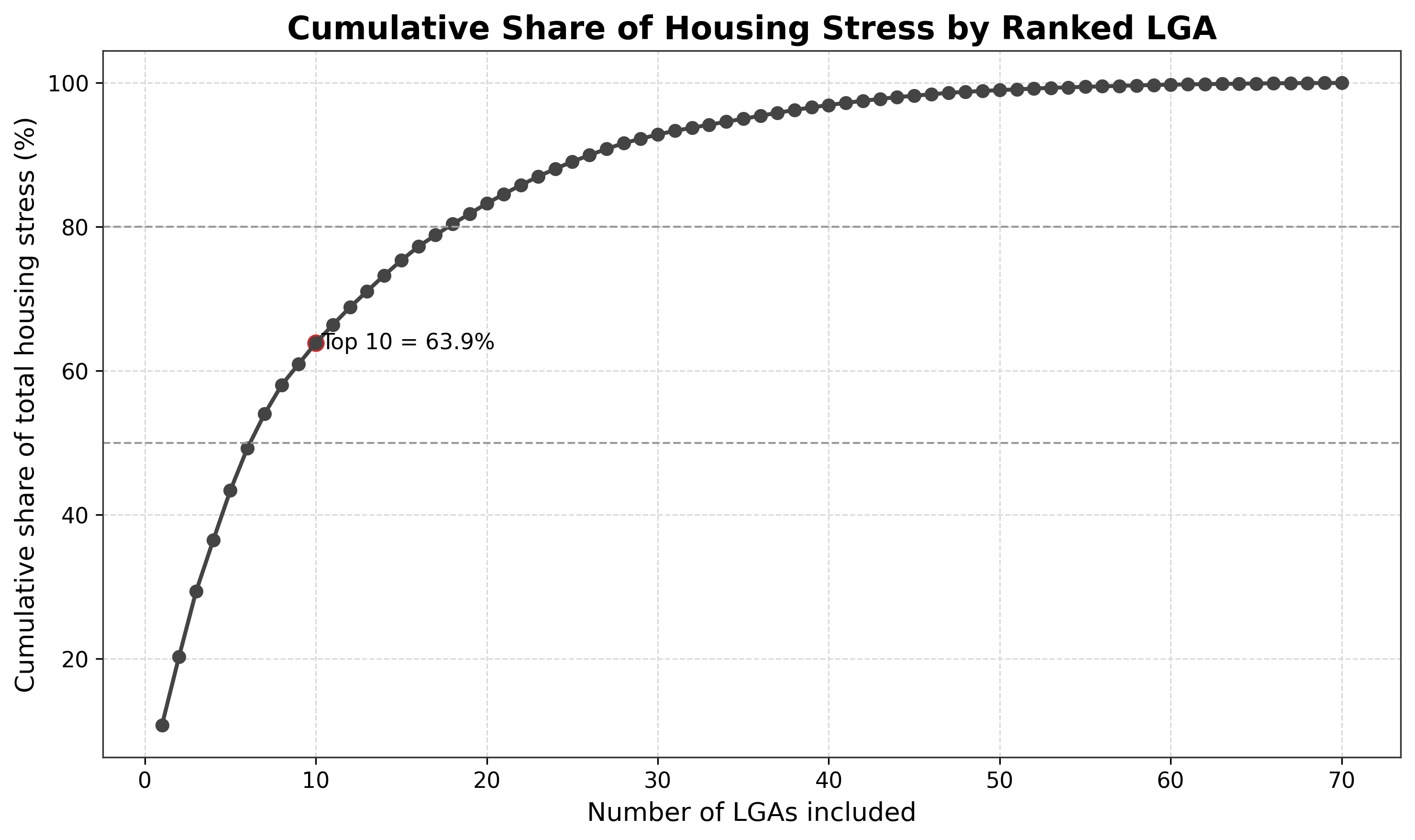
Public-data analysis showing concentration, income vulnerability, tenure patterns, and policy-facing visual storytelling.
View full case studySelected publications and outputs
The CV lists outputs spanning cardiovascular simulation, haemodynamics, microfluidics, biomedical research, and computational modelling.
Co-authored research output listed in the CV.
Co-authored publication output listed in the CV.
Computational and biomedical modelling output.
Computational fluid dynamics work at micro-scale stenosis.
Microfluidic and computational modelling output.
Process intensification publication output listed in the CV.
Technical skills and toolchain
ANSYS Fluent, ANSYS CFX, COMSOL Multiphysics, SimVascular, SolidWorks, AutoCAD.
Python, MATLAB, SQL, Jupyter, Git/GitHub, Bitbucket, reproducible post-processing workflows.
Comparative analysis, scientific plotting, figure generation, reporting workflows, and evidence-focused communication.
ML experimentation, AI-guided tooling, workflow assistance, and applied technical automation concepts.
Cardiovascular CFD, haemodynamics, biomedical simulation, microfluidics, non-Newtonian blood modelling, and verification.
Collaboration and consulting
I am open to academic collaborations, technical consulting, and industry conversations related to cardiovascular CFD, simulation workflow automation, healthcare-focused modelling, Ansys Fluent workflows, and reproducible Python pipelines.
Curriculum vitae
The CV provides the fuller record behind this website: research appointments, publications, awards, teaching experience, and technical platforms.
Contact
Reach out for cardiovascular CFD, haemodynamic analysis, Ansys Fluent workflows, Python automation, AI-enabled engineering tools, consulting, or collaboration.